Finishing metal isn’t just about looks — it protects the surface from corrosion, wear, and the elements. Below are four traditional finishes, how they work, and the kinds of projects they suit best.
Bluing — a classic dark patina with rust-inhibiting properties
What it is:
Bluing is an age-old conversion finish that produces a dark, almost black patina on steel. Chemically, it forms a dense iron-oxide layer that acts as a barrier to more destructive rust.
How it works:
A controlled chemical reaction (often combined with heat) transforms the very surface of the steel into a stable oxide. Because the resulting layer is compact, it resists the red, flaky rust that causes deterioration.
Surface prep & durability:
Bluing requires meticulous surface prep — polishing, de-rusting, and removing pits are essential before the process. While visually appealing and historically authentic for vintage pieces, the finish is less resistant to harsh chemicals and heavy abrasion than some modern coatings. It can, however, hold up well against friction and stand up nicely to contact within protective housings or cases.
Best for:
Antique restorations, display pieces, and items where a traditional dark patina is desired and heavy exposure to harsh environments is limited.
Parkerizing (Phosphate Conversion) — rugged, protective, self-lubricating coating
What it is:
Parkerizing is a phosphate-based conversion coating that produces a matte, dark-gray finish with excellent corrosion resistance and durability.
How it works:
Parts are immersed in a phosphoric acid bath that reacts at the metal surface. Insoluble phosphate compounds form and deposit, creating a tough, porous layer that can hold oils, giving the surface a built-in, low-friction characteristic.
Durability & use:
This finish resists abrasion, chemicals, and moisture better than traditional bluing, and it’s especially useful where parts experience repeated contact or are stored in protective carriers. Because the coating is somewhat porous, oils are often applied afterward to enhance corrosion resistance.
Best for:
High-use tools, outdoor hardware, components expected to see heavy wear, and applications where a durable, utilitarian finish is preferred.
Nickel Plating — bright, corrosion-resistant, and wear-tough
What it is:
Nickel plating is an electroplating process that deposits a thin, bright, corrosion-resistant nickel layer onto a metal substrate.
How it works:
After careful cleaning and preparation, the item is submerged in an electrolyte bath containing nickel salts. Applying electrical current causes nickel ions to plate onto the surface, creating a uniform metallic coating.
Appearance & protection:
Nickel gives a shiny, reflective look and strong resistance to corrosion and abrasion. It’s widely used for parts that need both aesthetics and protection. Note that in some contexts a very reflective finish may be undesirable for stealth or reduced-glare applications (depending on the use case).
Best for:
Decorative hardware, plumbing fixtures, frequently handled tools, and any parts that require a bright, durable finish.
Gold Plating — luxury finish with protective underlayer
What it is:
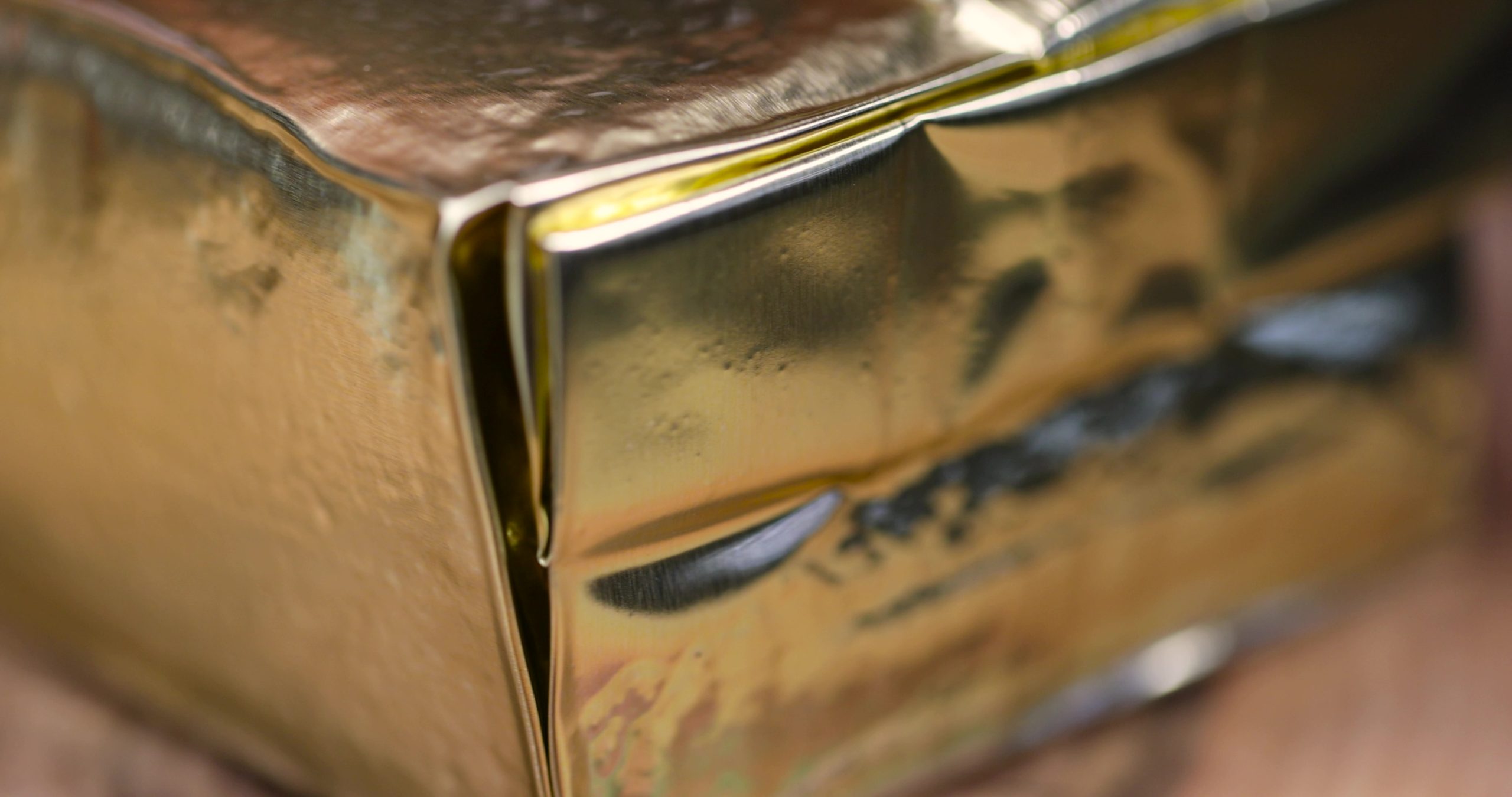
Gold plating is a decorative electroplating process that deposits a thin layer of gold over a prepared metal surface.
How it works:
Because gold is soft and porous when applied thinly, a nickel (or other) underplate is usually applied first for corrosion protection and adhesion. The gold layer is then electroplated on top for a bright, luxurious appearance.
Preparation & considerations:
Achieving a true mirror-like gold finish requires painstaking polishing and surface preparation. If the base surface isn’t perfectly smooth and free of defects, the plating can appear dull or uneven. Gold plating is primarily cosmetic — it looks exceptional but isn’t intended for heavy-wear applications unless the gold layer is very thick (which is uncommon and expensive).
Best for:
Decorative items, jewelry, presentation pieces, and any project where a premium, ornamental appearance is the priority.
Choosing the Right Finish — quick guide
- Historical authenticity / classic patina: Bluing
- Durable, utilitarian protection: Parkerizing
- Bright, durable, corrosion-resistant: Nickel plating
- Luxury appearance / decorative: Gold plating (with protective underplate)
Final tips
Protect and maintain: Even the best finishes benefit from periodic cleaning and light protective oiling or waxing depending on the coating.
Prep matters: All these finishes rely on excellent surface preparation — cleaning, degreasing, polishing, and removing pitting before you start.
Match finish to use: Pick a finish that suits the item’s expected wear, environmental exposure, and desired look.
Professional work for tricky jobs: Electroplating and conversion coatings require controlled chemistry and safety precautions — for best results, consider a reputable finisher or restoration shop.