Keeping your metal gear clean and lightly oiled is one of the easiest ways to extend its life and improve reliability. Regular maintenance prevents corrosion, reduces wear, preserves accuracy/fit, and helps keep operations safe. Below is an easy-to-follow primer on why, when, and how to clean and oil your equipment at home.
Why clean & oil?
Prevent corrosion. Moisture, salt, and grime lead to rust and pitting over time. Wiping parts clean and applying a thin protective film helps block corrosion and preserves metal surfaces.
Improve reliability. Dirt and old lubricant gum up moving parts. Fresh, appropriate lubrication reduces friction and wear so mechanisms operate smoothly and predictably.
Extend service life. Routine maintenance keeps parts in better condition and delays replacement — a small effort now saves money later.
Safety. Clean, well-lubricated mechanisms are less likely to jam or malfunction. Regular maintenance helps you spot worn or damaged components before they cause a problem.
Maintain precision. For items where fit and alignment matter, corrosion or fouling can degrade performance. Keeping contact surfaces clean helps preserve accuracy and repeatability.
How often should you clean & oil?
Avoid over-cleaning (constant disassembly can wear pins and soft parts). Frequency depends on use:
- After heavy or seasonal use: Give hunting/outdoor/seasonal gear a full service before storage.
- Frequent wet exposure: Clean and oil after each time the gear gets wet or soaked.
- High-volume use: If you run lots of cycles in a short period (practice, events), clean mid-season or more often.
- Weekend/occasional use: Clean when you start seeing operational issues or after a long session.
- Before events or competitions: Do a pre-event cleaning and function check.
Use common sense: if it’s dirty, wet, sticky, or showing symptoms, it’s time for a service pass.
Tools & supplies (basic kit)
- Solvent/degreaser and mild cleaner
- Quality light machine oil or manufacturer-recommended lubricant
- Soft lint-free cloths and cleaning patches
- Nylon and bronze brushes or appropriate non-marring brushes
- Rods/applicators sized to your device’s internal passages (if applicable)
- Ultrasonic cleaner (optional, great for small or intricate parts)
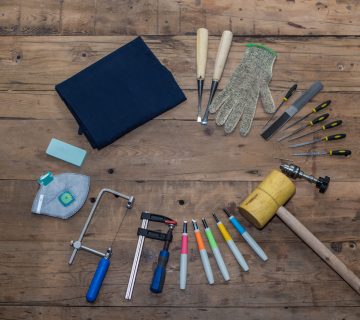
- Padded mat, small parts tray, safety glasses, disposable gloves
Step-by-step cleaning & oiling
- Safety first: Power off the device and remove any batteries, cartridges, or consumables. Make sure the work area is clear and well-ventilated.
- Gather supplies: Lay everything out so you won’t need to hunt for parts mid-job.
- Disassemble to your comfort level: Follow the owner’s manual. Keep small parts organized. Photos help with reassembly.
- Clean internal passages/shafts: Use a brush and solvent to loosen buildup, then run clean patches or cloths until they come out clean. For small parts, an ultrasonic cleaner can remove gunk from hard-to-reach spots.
- Clean exterior and moving parts: Wipe frames, rails, and mating surfaces. Use a brush for carbon-like or gritty residue.
- Dry completely: Remove solvent residue with clean cloths and let parts air briefly.
- Apply lubrication sparingly: A thin film on rails, pivots, and sliding surfaces is ideal. Avoid over-lubricating — excess oil attracts dirt and creates buildup.
- Reassemble & function-check: Put the unit back together and perform dry-cycle checks to confirm smooth operation. Address any binding or unusual noises.
- Store properly: Keep gear in a dry, temperature-stable place. Use protective cases or covers to limit dust and moisture exposure.
Quick maintenance tips
Dispose of used patches and solvent-soaked cloths safely and in accordance with local rules.
Use only recommended oils and solvents; some cleaners damage finishes or seals.
Keep a maintenance log: date, what you did, any parts replaced.
For heavy wear or damage, consult a professional rather than attempting risky repairs.