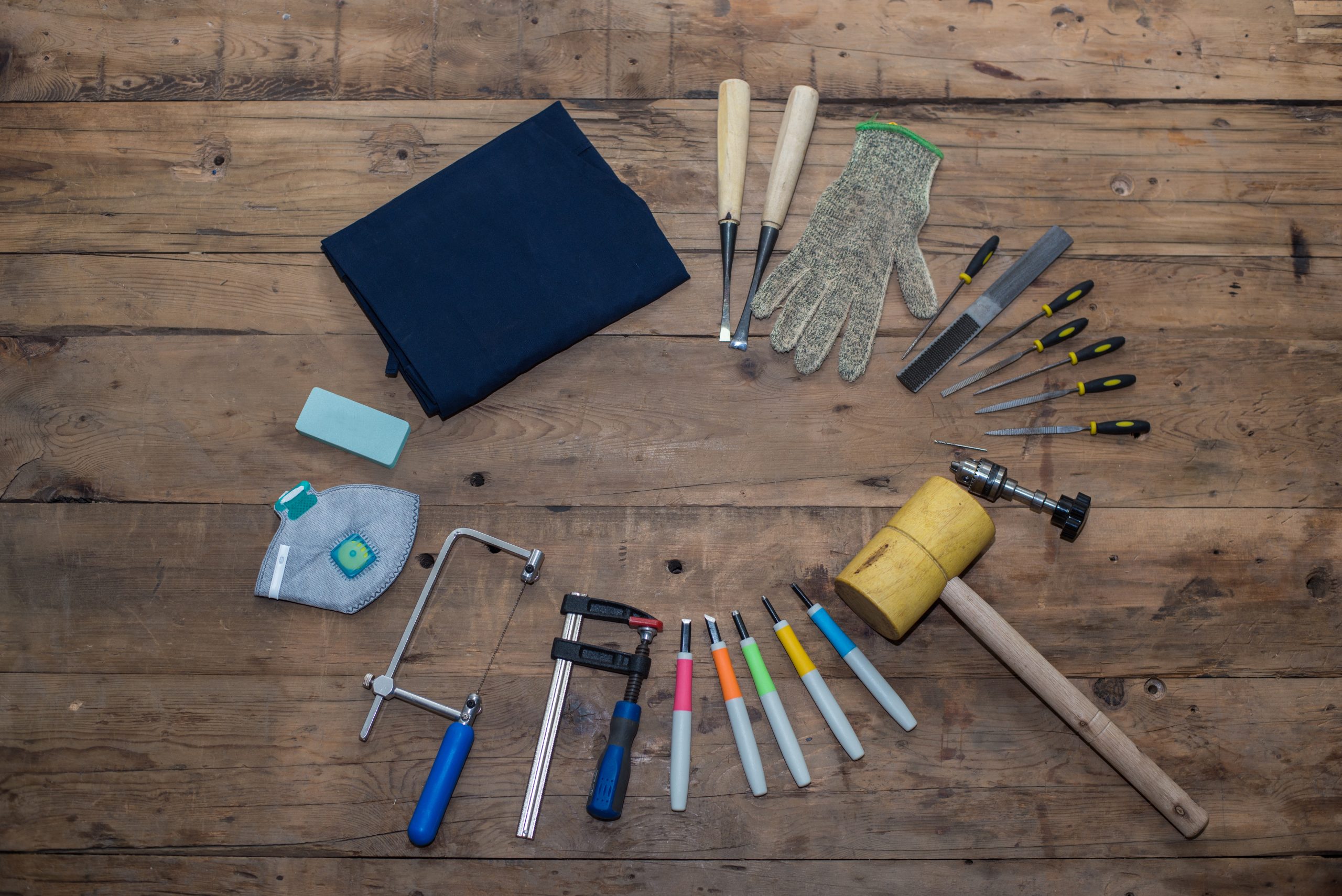
Owning precision gear comes with the responsibility to keep it clean, lubricated, and inspected so it performs reliably and lasts longer. While specialists can handle complex repairs, many basic maintenance tasks are easy to do at home. This guide walks you through the essentials for cleaning, inspecting, and storing your precision device.
Gather the right supplies
Before you begin, assemble everything you need so the job goes smoothly:
- Soft cloths and lint-free patches
- Nylon brush and small detail brushes
- Appropriate solvent/degreaser and cleaning solution
- Light machine oil or manufacturer-recommended lubricant
- Cleaning rod or appropriate-sized applicator for internal tubes/bores
- Small punches or drive tools (non-marring if possible)
- A padded mat or work surface to protect finishes and catch small parts
- Safety glasses and disposable gloves
Having a tidy, dedicated workspace makes maintenance safer and faster.
Safety first: power down & clear
Always ensure the device is powered off, fully unloaded of any consumables, and disconnected from power sources before cleaning. Remove any removable magazines, batteries, or cartridges and keep them well away from the work area. Follow the manufacturer’s safety instructions and wear eye protection if using solvents or ultrasonic cleaners.
Disassembly — follow the manual
Refer to the owner’s manual for the correct disassembly steps. Take your time and keep parts organized (a small parts tray is helpful). Note the order and orientation of components so reassembly is straightforward. If your device has springs or small fittings, consider photographing each step for reference.
Cleaning internal tubes, bores, or shafts
If your device includes a tube, barrel-like bore, or long shaft, clean it thoroughly:
- Attach the correct-size brush or applicator to your cleaning rod.
- Run the brush through several times with a suitable solvent to loosen buildup.
- Follow with solvent-soaked patches until patches emerge clean.
- Finish with a dry patch to remove residual solvent.
- Apply a very light coat of protective oil only if recommended by the manufacturer.
Repeat until the interior is free of residue and corrosion.
Clean and lubricate moving parts
Use a nylon brush and solvent to remove fouling, dust, and grime from rails, slides, hinges, and other moving parts. Wipe clean with a lint-free cloth.
Apply lubricant sparingly to surfaces that slide or pivot — a drop in the right place is better than drenching parts. Excess oil attracts dust and causes buildup, so remove any surplus.
Inspect for wear and damage
As you clean, examine every component for wear, cracks, pitting, rust, or deformation. Pay special attention to:
- Contact surfaces and rails
- Springs and pins
- Threaded fittings and fasteners
- The interior of tubes/bores for pitting or corrosion
If you find significant wear or damage, stop and consult a qualified technician or the manufacturer for repair or replacement parts.
Reassembly and function checks
Reassemble the device in the reverse order of disassembly, following torque and fastening guidance from the manual. Once assembled:
- Perform basic function checks (manual cycles, dry runs) to ensure moving parts operate freely.
- Listen for unusual noises and feel for binding or catches.
- If the device uses optics or alignment systems, verify alignment as recommended.
If something feels off, disassemble and inspect again before continued use.
Proper storage and ongoing maintenance
Store your precision device in a dry, temperature-stable environment, ideally in a protective case or cabinet. Before long-term storage:
- Wipe surfaces clean and apply a light protective coating if recommended.
- Remove batteries or consumables.
- Check periodically for moisture or corrosion and re-lubricate moving parts as needed.
Regular maintenance — even for unused gear — prevents surprise failures and preserves resale value.
Final tips
Small, regular cleanings beat infrequent deep cleans — they keep the equipment ready and reduce long-term wear.
Use only manufacturer-recommended solvents and lubricants when possible.
Keep a maintenance log: dates, tasks performed, parts replaced.
For complex repairs or safety-related issues, consult a qualified repair professional.